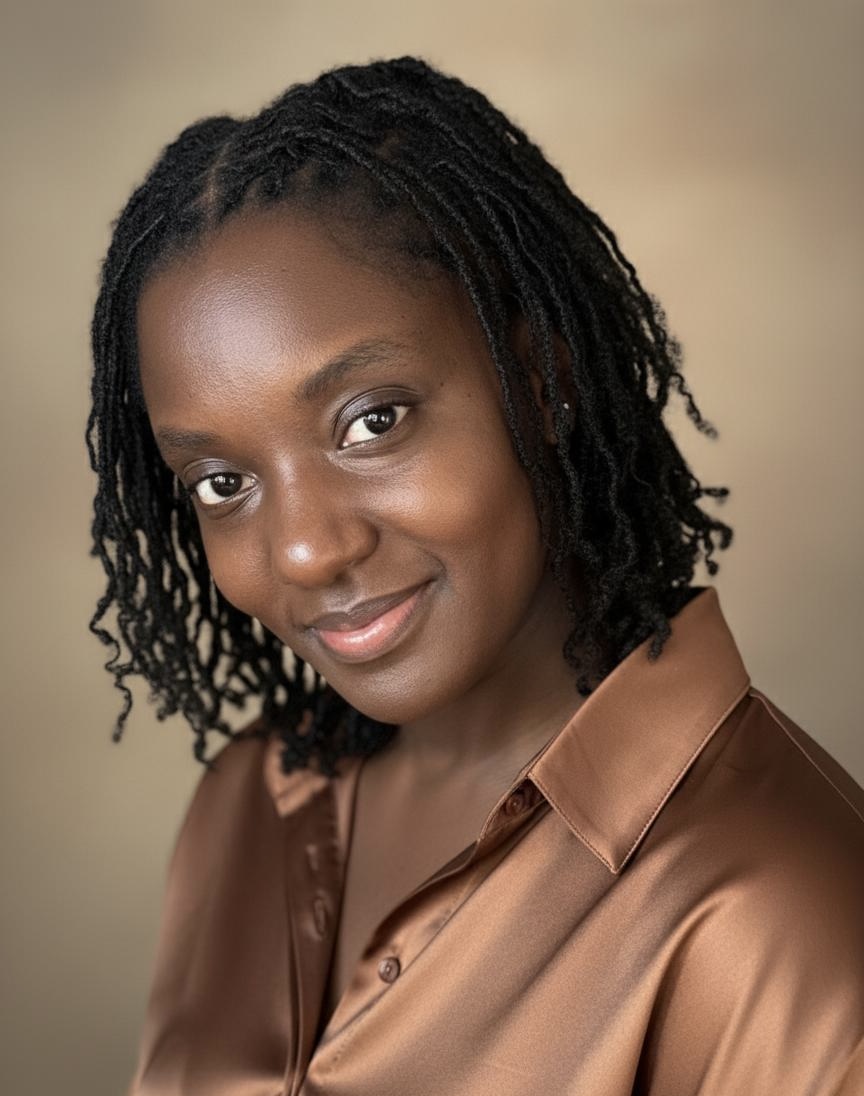
I work on how people relate to each other.
Clarity is a kindness.
Where I learned to read a room.
I grew up in a large family and a close community, where people of every temperament and circumstance had to understand one another daily. I have since lived and worked across continents, and moved between social classes and worlds that rarely meet, valuing each on its own terms rather than ranking them. I realised that it necessary to review the same action in different spaces, I trusted individual feedback, and I accepted my impact was more important than my intent.
Discipline underpinning instinct.
At the University of Oxford, I read human sciences, the study of people across biology, society, and culture, and beyond my degree I have kept studying how people relate ever since. At business school, at Stanford University, at home. Academia gives me a discipline for something most people treat as instinct: why we misread each other, and how understanding is repaired.
Three acts, done well.
Three of the hardest things a person can do are to apologise, to appreciate, and to ask for help. Fewer still can read how a boardroom, a classroom, and a kitchen each change how we feel comfortable enough to connect. Fortunately this can be learned, and this is where I help.
Organisations that hold their people.
For more than fifteen years I have strengthened organisations through complexity and change, in Europe and Africa. I have steered the finances of an international school through a multimillion dollar expansion, advised private companies, NGOs, foundations and public bodies through difficult transitions, and founded a charity when I was twelve that I chaired and grew for sixteen years. I build a similar way wherever I go. The systems serve the people inside them, and finance, governance and care are built together.
What I am doing now.
I am the Managing Director of ASM, an employee-owned coaching, training, and consultancy. We help neurodivergent adults and the people they work with understand one another, often by translating between them, and helping to build working lives that fit how each person actually thinks. At Nanteza, which I founded, we give people the words, skills and practice for some of life's hardest conversations, the ones about heritage and skin colour, for employers, professionals, individuals and families.
If any of this is useful to you,
let's talk.